
Why free-to-play games are still regulated in some markets
Don’t let the word “free” fool you. In this industry, if something walks like a casino game, sounds like a casino game, and hooks players like one — regulators are going to treat it as such. Free-to-play games, especially those with casino-style elements, still fall under the legal microscope in several markets, and the reasons behind this go way beyond simple semantics. Over decades dealing with gambling laws from both the technical floors of software backends to the boardroom of jurisdictional negotiations, I’ve seen how the smallest detail in game design can trigger an avalanche of legal scrutiny.
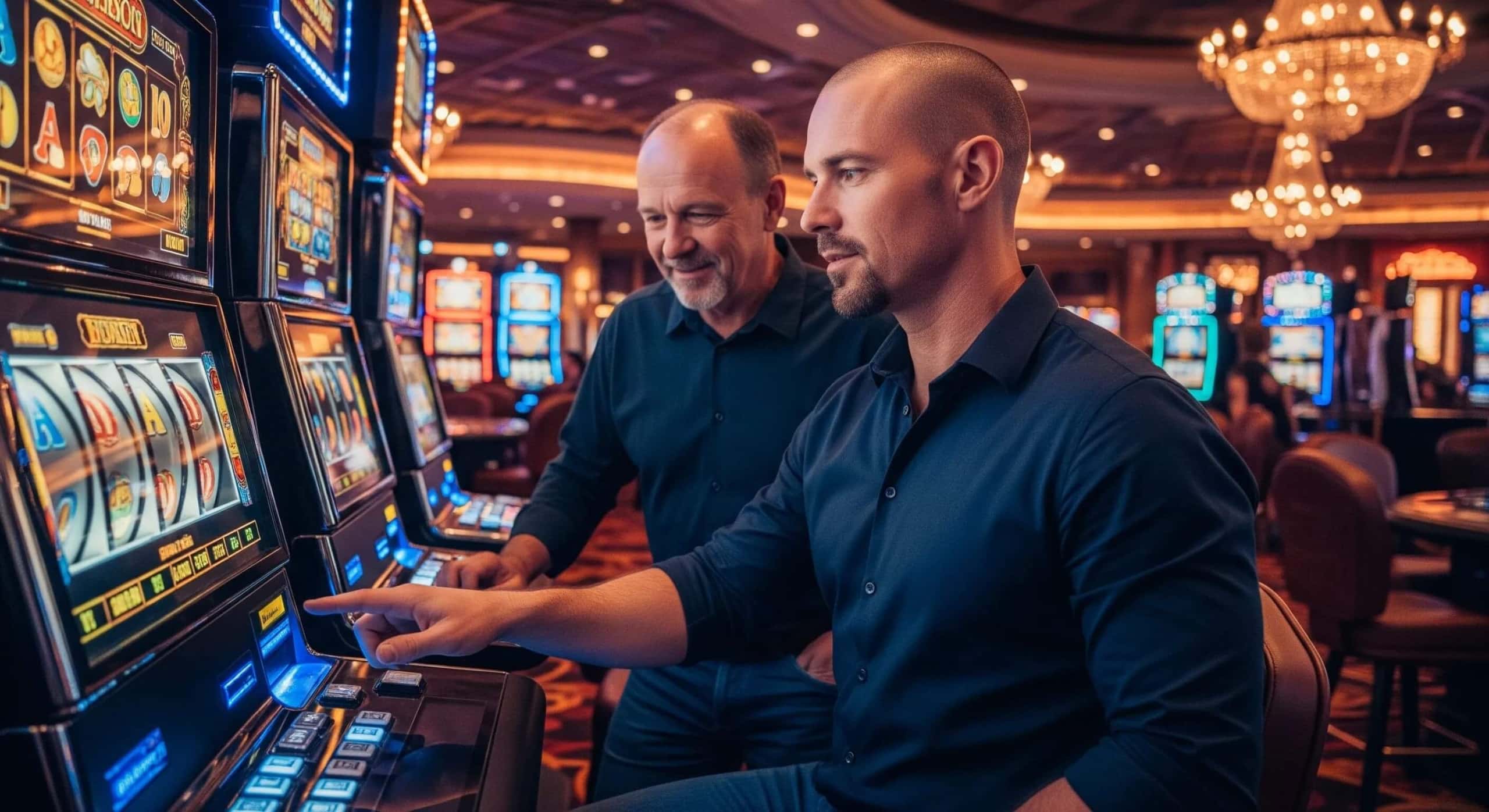
What qualifies a “free” game as gambling?
The rookie mistake here is thinking that the presence or absence of direct monetary stakes is what defines gambling. That’s not how regulators think — and certainly not how seasoned enforcers look at it. The core legal triad that defines gambling is: consideration (what you pay), chance (what determines the outcome), and prize (what you win). Remove one, and you’re technically outside the gambling ring. But in practice, free-to-play casino-style games often toe a dangerous line. You might not wager cash upfront but buy virtual chips with real money, and it’s that indirect transaction — often through credit cards like Visa — that ropes the game right back into the regulatory net.
The illusion of no-stakes gameplay
The term “social casino” gets thrown around too much these days like it’s a get-out-of-jail free card. Back in the day, if you played slots, you had skin in the game — that was the whole point. Now, users spin reels with tokens that can’t be cashed out, but they spend real cash buying more tokens when they run out. Some markets — Delaware for example — saw this slipstream tactic early and clamped down. Free-to-play or not, the moment a platform sells gameplay advantages or tokens under the guise of entertainment, jurisdictions like Delaware see the potential for consumer harm, especially to vulnerable groups like children or problem gamblers.
Why regulators won’t let it slide
I’ve sat at tables where lawyers argued tooth and nail about how these games aren’t “technically” gambling, and I’ve watched regulators smirk knowingly. They’ve seen every trick in the book — loot boxes disguised as surprise rewards, payout simulations mimicking real odds, or time-gated bonuses that encourage compulsion. All of this leads regulators to step in, usually under consumer protection laws if not outright gambling legislation. You’d be surprised how many of these “casual games” are built using the same back-end logic and mathematics that power the jackpot algorithms in your typical WMS slots.
The hidden hand of monetization
None of these games are truly “free” to the developers. They’re monetizing attention and emotional investment, just not through traditional wagers. And in some cases, the monetization model mirrors predatory models from old-school gambling dens — hook them with low resistance, keep them engaged with just enough dopamine drops, then nudge them to pay for a better experience. Regulators don’t need a casino sign on the roof to know a casino when they see one. And when those payments are processed through traditional financial systems like Mastercard, the chain is too clear to ignore. The money’s moving, the player is risking (albeit indirectly), and the operator is profiting.
Balancing innovation with responsibility
Now here’s the delicate part — not all free-to-play games are built with nefarious intent. Plenty come from creative teams that genuinely want to entertain. But intent doesn’t clear you from impact. I’ve lobbied on behalf of smaller developers who had no clue their games resembled illegal gambling operations in certain jurisdictions. The laws are unforgiving to ignorance. If you’re using asynchronous multiplayer spins, mimicking near misses, or employing variable reinforcement tactics — you’re entering regulatory territory. And if you’re collecting data at scale while offering virtual prizes, expect privacy regulators to have their say too. Innovation is great, but in this space, it’s like mixing volatile chemicals: if you don’t read the label, you’ll blow the whole lab sky-high.
The bottom line
Free-to-play doesn’t give you a free pass on compliance. If your game borrows cues from traditional gambling, or monetizes player behavior in similar ways, you’ll want to revisit your legal strategy before regulators do it for you. Players may never notice the crossover, but believe me — regulators will. And like I always say in workshops: the moment your game makes your grandma max her card on bonus coins? That’s not casual play — that’s casino play, plain and simple.
No Comments found